

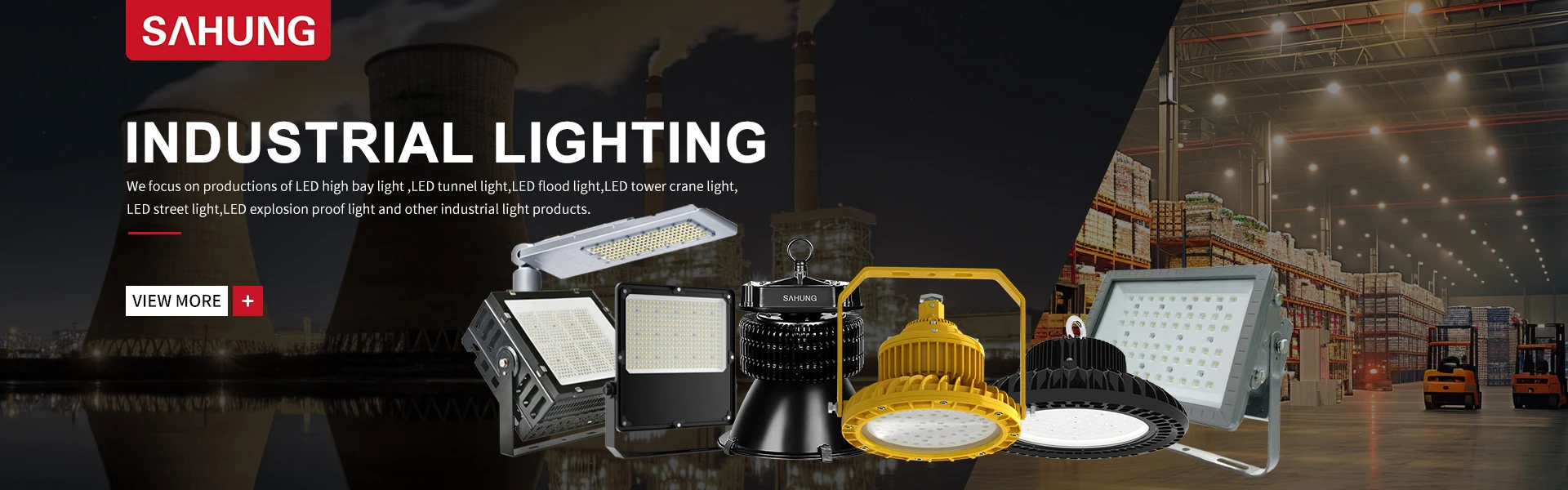
LED streetlights are road lighting fixtures that utilize light-emitting diodes (LEDs) as their light source. Characterized by high energy efficiency, safety, reliability, long service life, rapid response, high color rendering index, and environmental friendliness, they are widely used in settings such as urban roads, public squares, and tunnels. Their core components include LED chip modules, aluminum heat dissipation systems, secondary optical lenses, and constant-current drivers. They offer power ratings ranging from 30W to 400W and color temperatures spanning 3000K–4000K (warm white) and 5000K–6000K (cool white), with a luminous flux of 12,000 lumens (for the 100W model) and an IP65/IP66 protection rating. Passive cooling technologies-such as heat pipe and fin structures-are employed to maintain chip temperatures at or below 65°C, ensuring a theoretical lifespan exceeding 50,000 hours.
The product supports remote dimming, fault alerts, and additional energy-saving capabilities via smart terminals, while also accommodating DALI dimming interfaces and on-demand lighting strategies. my country launched the "Ten Cities, Ten Thousand Lights" demonstration project in 2009 to drive the large-scale adoption of this technology. These LED streetlights comply with IES illuminance uniformity standards and are suitable for bilateral lighting layouts on arterial roads or unilateral layouts on secondary roads.